



Establishment of Child-Friendly Spaces
(CFS), case management, and Family Tracing & Reunification (FTR) for unaccompanied
minors.
Supporting grassroots peace committees and
facilitating local dialogue between host communities, returnees, and IDPs.
Immediate deployment during flash floods, displacement waves, and localized violence.


Support for Protection, Emergency &Sustainable Solutions (SPESS) is a women-led humanitarian organization dedicated to Gender-responsive protection, resilience and durable solutions for women, girls and crisis-affected communities.
We do not just deliver aid; we
strengthen the social fabric of communities so they can withstand future crises with dignity.
SPESS protects vulnerable lives, responds instantly to crises, and builds community-led pathways to peace and self-reliance across South Sudan.
Vision: A safe, unified, and self-reliant South Sudan where every community thrives with dignity and resilience.
Mission: To protect human rights, deliver rapid multi-sectoral emergency relief, and drive long-term community recovery across South Sudan.
Integrated Case Management, GBV Prevention & Response, Child Protection Systems, Psychosocial Support (PSS), and Rights Advocacy.
Disaster Risk Reduction (DRR), Early Warning Systems, Climate-Smart Agriculture, and Emergency Preparedness
Women’s Economic Empowerment (WEE), Leadership Development, SRHR Advocacy, and Adolescent Girl Initiatives.
Community-Based Conflict Resolution, Inter-communal Dialogue, Youth Peacebuilding, and Local Governance Strengthening.
Micro-enterprise Development, Technical & Vocational Education (TVET), Agricultural Value Chain Strengthening, and Savings Groups (VSLAs).
To ensure program quality, sustainability, and equity, SPESS embeds four principles across all five pillars
Partnering directly with local leaders, civil society, and grassroots structures to ensure community ownership.
Integrating climate adaptation strategies into livelihoods, resource management, and risk mitigation plans.
Maintaining transparent, participatory feedback mechanisms where communities actively direct project implementation.
Designing programs around indigenous knowledge and locally defined priorities rather than top-down mandates.
SPESS links Humanitarian Action, Development, and Peacebuilding to prevent recurring aid
dependency:
1. Assess & Protect: Identify immediate safety risks and protection gaps before taking
action.
2. Stabilize: Deploy multi-sectoral emergency relief to stabilize the immediate crisis.
3. Sustain: Transition emergency interventions into climate-resilient livelihoods,
infrastructure, and peace structures.
Deep Local Roots & Unmatched Access: Grounded in community trust, we work directly alongside local leaders and grassroots networks to navigate complex contexts and reach the most isolated communities.
Gender at the Center: Equity isn't an afterthought. We build protection and gender-responsive strategies directly into every project, ensuring safe, inclusive, and lasting outcomes for women and girls.
Community-Led Accountability: We answer directly to the people we serve. Transparent feedback loops and active community oversight ensure our programs adapt to real-time needs on the ground.
Bridging Relief & Long-Term Progress:We connect immediate crisis response with sustainable peacebuilding and climate resilience, helping communities transition from surviving to thriving.
We are Open for donor briefings, consortium partnerships, and technical
sub-granting.

Ensuring all emergency aid is distributed safely and equitably without exposing vulnerable populations to harm.
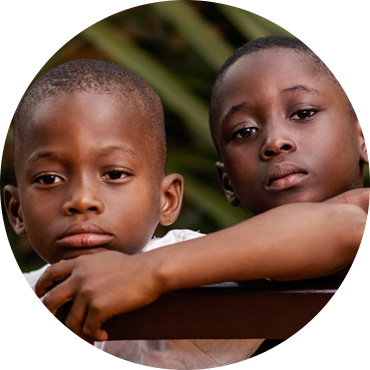
Establishment of Child-Friendly Spaces (CFS), case management, and Family Tracing & Reunification (FTR) for unaccompanied minors.
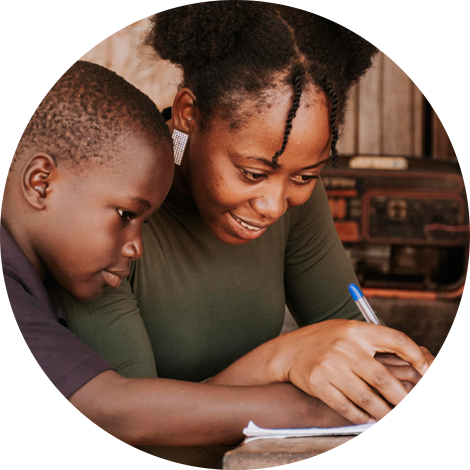
Clinical care referrals, psychosocial support (PSS), safe shelter spaces, and dignity kit distribution for women and girls.